Designing enterprise shipping workflows that scale
Designing enterprise shipping workflows that scale
This project focused on enhancing key features of Voyza SPOT — a quotation and spot booking platform used by one of the world’s largest shipping companies. As the UX Designer on the WongDoody team, I collaborated with multiple POs to turn fragmented, legacy-driven UI requests into intuitive, scalable solutions — all while working within strict design system and backend constraints.
This project focused on enhancing key features of Voyza SPOT — a quotation and spot booking platform used by one of the world’s largest shipping companies. As the UX Designer on the WongDoody team, I collaborated with multiple POs to turn fragmented, legacy-driven UI requests into intuitive, scalable solutions — all while working within strict design system and backend constraints.

Domain
Domain
Maritime Logistics
Maritime Logistics
Project Duration
Project Duration
8+ months
8+ months
Team
Team
POs, Devs, Team Lead, Me(UX/UI)
POs, Devs, Team Lead, Me(UX/UI)
Objective
Objective
To enhance user efficiency and decision-making for sales and pricing teams by:
Introducing modular UI solutions for edge cases (like charge customization, mass negotiations)
Simplifying the user experience within the legacy constraints, with minimal disruption to backend logic.
Ensuring stakeholder alignment and improving handoff quality for developers.
To enhance user efficiency and decision-making for sales and pricing teams by:
Introducing modular UI solutions for edge cases (like charge customization, mass negotiations)
Simplifying the user experience within the legacy constraints, with minimal disruption to backend logic.
Ensuring stakeholder alignment and improving handoff quality for developers.
Context and Challenges
Aspect
Before I Joined
My Involvement & Change
Design System
Already in Place
Leveraged system components and contributed feedbacks for minor enhancements
Personas & IA
Existing but undocumented
Collected KT from POs; documented for my own clarity and cross-journey alignment
Research
None at UX Level
Gathered internal feedback from stakeholders and SMEs to frame user goals.
Workflow
Fragmented small UI asks
Connected them into clear user journeys and proposed UX improvements
Business
Understanding
Pushed by POs only
Took initiative to understand sales pain points and business constraints
Context and Challenges
Aspect
Before I Joined
My Involvement
Design System
Already in Place
Leveraged system components and contributed feedbacks for minor enhancements
Personas & IA
Existing but undocumented
Collected KT from POs; documented for my own clarity and cross-journey alignment
Research
None at UX Level
Gathered internal feedback from stakeholders and SMEs to frame user goals.
Workflow
Fragmented small UI asks
Connected them into clear user journeys and proposed UX improvements
Business
Understanding
Pushed by POs only
Took initiative to understand sales pain points and business constraints
Users
Users

Sales Representative
Sales Representative
Goals: Customize charges, respond to spot quotations fast
Pain Points: High email volume, poor system flexibility, lack of guidance
Goals: Customize charges, respond to spot quotations fast
Pain Points: High email volume, poor system flexibility, lack of guidance

Pricer
Pricer
Goals: Ensure quotations align with market and business rules
Pain Points: Repetitive manual setup, system rule conflicts, unclear UI feedback
Goals: Ensure quotations align with market and business rules
Pain Points: Repetitive manual setup, system rule conflicts, unclear UI feedback
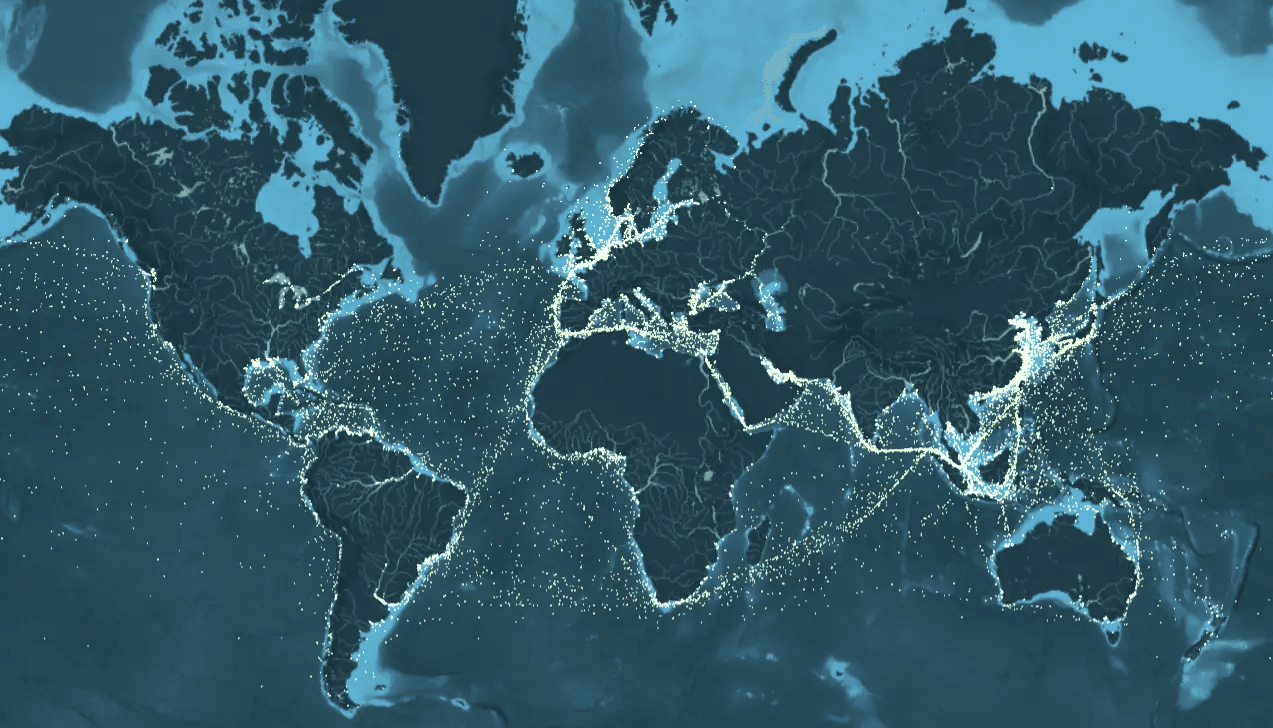
Source : maxfreights.com
Source : maxfreights.com
Group of Ramps
Group of Ramps
The Problem

Sales users often apply the same pricing rules or contract conditions to multiple ports or ramps.
However, the existing Legacy UI:
Had no grouping mechanism
Required manual data entry per line
Lacked visual clarity about relationships
This led to redundancy, fatigue, and frequent override errors.
Sales users often apply the same pricing rules or contract conditions to multiple ports or ramps.
However, the existing Legacy UI:
Had no grouping mechanism
Required manual data entry per line
Lacked visual clarity about relationships
This led to redundancy, fatigue, and frequent override errors.
The Goal
To enable users to:
Apply conditions at group level
Identify which entries belong to a group
Prevent accidental overrides across grouped ports/ramps
Task Flow

Prototype

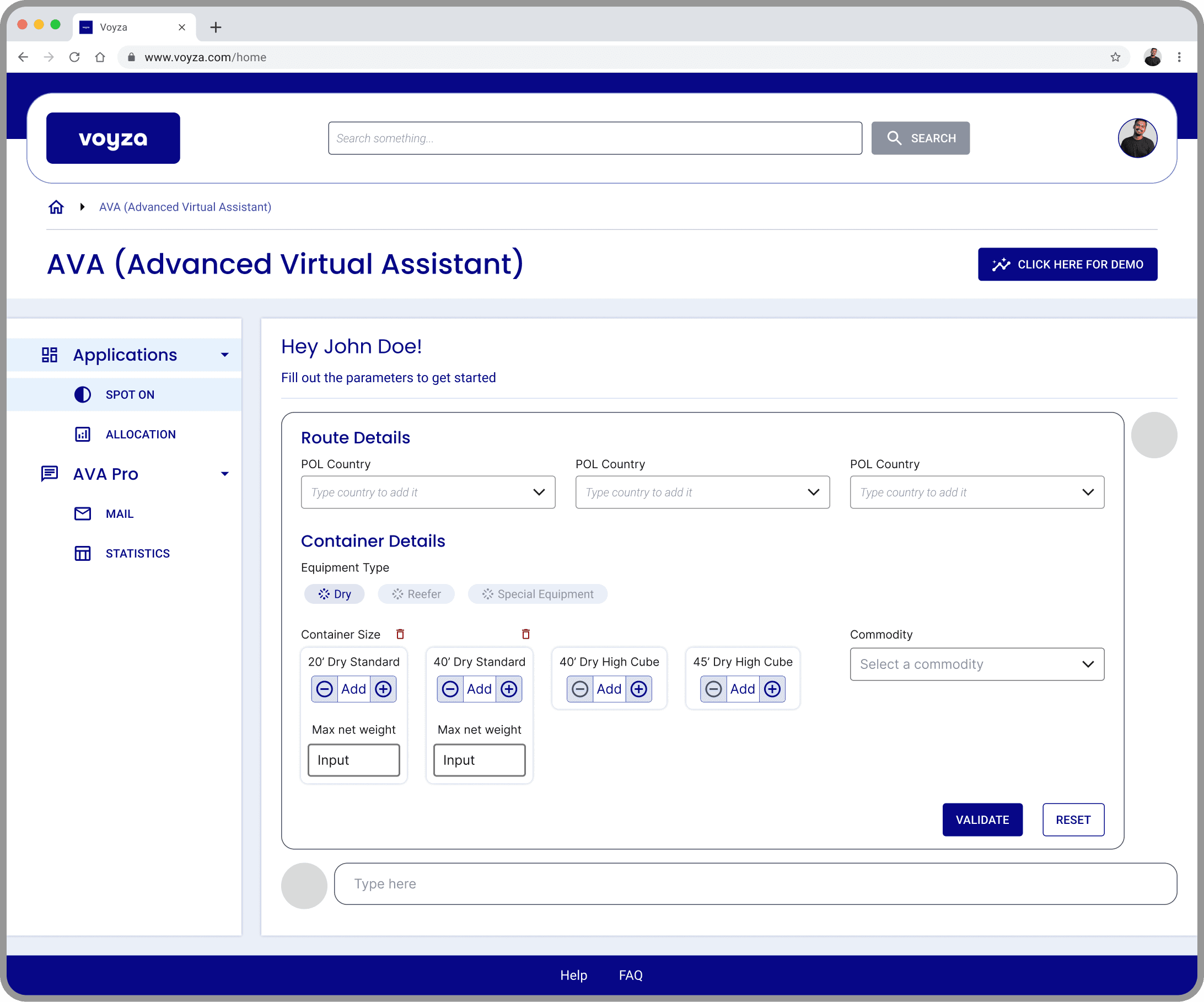
Assistant Virtual Agent (AVA)
Assistant Virtual Agent (AVA)
The Problem

AVA (Aqua Virtual Assistant) was conceptualized as an intelligent support layer to help internal users (Sales/Pricers) quickly understand why a booking request fails. It was meant to reduce dependency on mail-based support and increase the self-diagnosis capability of the platform.
Sales users often apply the same pricing rules or contract conditions to multiple ports or ramps.
However, the existing Legacy UI:
Had no grouping mechanism
Required manual data entry per line
Lacked visual clarity about relationships
This led to redundancy, fatigue, and frequent override errors.
The Goal
Build an assistant tool that helps users quickly identify root causes for key booking failure scenarios within the platform.
Task Flow

Solution